• Home
  • Suggest A DIY
  • DIY Newsletter

Crochet

Patterns, projects and techniques

  • About CraftGossip
  • Our Network
    • Bath & Body Crafts
    • Candle Making Ideas
    • Crochet Ideas
    • Cross Stitch
    • Edible Crafts
    • Felting Patterns
    • Glass Art
    • Home & Garden Ideas
    • Indie Crafts
    • Jewelry Making
    • Kids Crafts
    • Knitting Patterns
    • Lesson Plans
    • Needlework
    • Party Ideas
    • Polymer Clay
    • Quilting Ideas
    • Recycled Crafts
    • Scrapbooking
    • Sewing Patterns
    • Card Making
    • DIY Weddings
    • Not Craft Ideas
  • Giveaways
  • Roundups
  • Store
  • Search

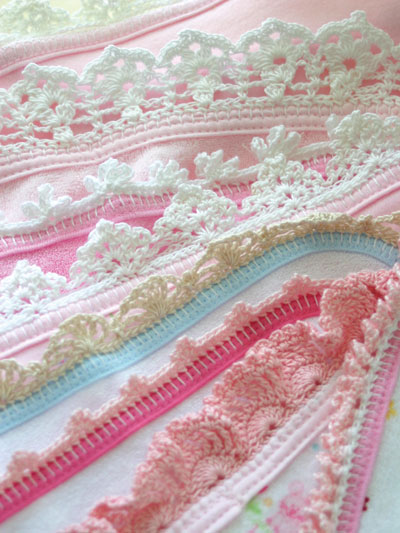
Baby Edgings Crochet Set Pattern Pack

September 8, 2020 by Shellie Wilson

Also included is a simple tutorial to prepare the edge of the fabric, which will be the foundation for the crochet. Includes a variety of edgings from small and dainty to wider more elaborate edgings. Made using size 10 thread. You can purchase this pattern here.
Looking for more baby blankets to crochet? Check out these Crochet blankets patterns on Etsy. 
«
»

Have you read?

15 Free Crochet Sock Patterns For Beginners, Cozy Feet And Better Fit

Let’s be honest: crochet socks have a bit of a reputation.

They look innocent enough sitting there in their neatly matched pair, but mention heels, gussets and negative ease and suddenly half the crochet group quietly wanders back to making granny squares.

The truth is that crochet socks are not nearly as frightening as they first appear. If you can crochet in the round, count your stitches and stop occasionally to try something on, you already have most of the skills you need.

The secret is choosing the right first pattern.

Some crochet socks are designed to fit inside shoes and use fine sock yarn. Others are really thick, wonderfully squishy slipper socks made for wearing around the house. There are also tube socks without a shaped heel, yoga socks with open toes and heels, toe-up designs you can adjust as you work and cuff-down patterns with a more traditional construction.

I have gathered a mixture of all of them below so you can choose a project that suits your feet, your yarn stash and your current level of patience.

Can Beginners Crochet Socks?

Yes, although I would not start with the most heavily cabled knee-high pair you can find.

A simple toe-up sock, ankle sock, tube sock or slipper sock is a much friendlier introduction. These patterns allow you to learn the basic shape of a sock without juggling too many new techniques at once.

Most crochet socks are made from four main sections:

The toe is increased until it fits around the widest part of your foot.

The foot is worked evenly until it reaches the heel.

The heel is shaped using rows, decreases, short rows or an afterthought heel.

The leg and cuff are worked to the height you prefer.

Once you understand those basic sections, sock patterns become far less mysterious.

Easy Crochet Ankle Socks

The Easy Crochet Ankle Socks are made almost entirely with double crochet, making them a very approachable first pair.

They use fingering-weight yarn, so the finished fabric is lighter and more suitable for wearing inside shoes than a thick worsted-weight sock. The pattern includes several adult sizes and begins at the toe, allowing you to check the length against your foot as you work.

This is a particularly good choice if you want to make proper wearable socks rather than house slippers but still want a fairly simple stitch pattern.

Best for: Adventurous beginners
Construction: Toe-up
Yarn weight: Fingering
Style: Ankle socks

Toe-Tally Easy Crochet Socks

The Toe-Tally Easy Crochet Socks are designed as a beginner-friendly introduction to toe-up crochet socks and short-row heels.

The pattern includes adult women’s and men’s sizing, which makes it useful for gift-making as well as personal pairs. There is also video support for the trickier sections, something I always appreciate when written instructions begin to look like they have been translated from ancient sock language.

These socks are designed with negative ease, meaning the finished sock is slightly smaller than the foot so it stretches into a snug fit.

Best for: Beginners ready to learn heel shaping
Construction: Toe-up with short-row heel
Yarn weight: Fingering
Style: Everyday adult socks

My First Toe-Up Crochet Socks

The My First Toe-Up Crochet Socks were originally created as part of a guided sock-along and include step-by-step lessons.

This is more than a quick pattern page. It walks you through the different stages of making a sock and is ideal for anyone who learns best by seeing a larger project broken into manageable pieces.

The design uses sock yarn with nylon content, which helps the finished fabric survive repeated wear better than a very soft yarn intended only for shawls or scarves.

Best for: Visual learners
Construction: Toe-up
Yarn weight: Sock or fingering
Style: Fitted everyday socks

Patons Toe-Up Cabled Crochet Socks

The Patons Toe-Up Cabled Crochet Socks are a wonderful next-step project once you have made a plainer pair.

The free sock-along includes separate lessons covering the toe, cable section, foot, afterthought heel and cuff. You will practise working in a spiral, reading a crochet chart, making post-stitch cables and adding an afterthought heel.

These are labelled intermediate for good reason, but the staged video lessons make the pattern considerably less intimidating than trying to decode a cable sock pattern alone.

Best for: Confident beginners and intermediate crocheters
Construction: Toe-up with afterthought heel
Yarn weight: Fingering sock yarn
Style: Cabled socks

Patons Slip-Stitch Cuff Crochet Socks

The Patons Slip-Stitch Cuff Crochet Socks have a neat, textured cuff that gives the finished pair a polished look without covering the entire sock in complicated stitches.

Slip-stitch details are useful in crochet socks because they can create a denser, more structured fabric. This pattern is a good option if you want something more interesting than plain single crochet but are not quite ready to commit to full cables.

The contrast between the body and cuff would also work beautifully with leftover sock yarn.

Best for: Crocheters wanting gentle texture
Construction: Fitted sock
Yarn weight: Sock yarn
Style: Textured cuff socks

Quick Chunky Crochet Slipper Socks

The Quick Crochet Slipper Socks are made with super-bulky yarn and can be completed in just a few hours.

They are designed for both women and men and can be adjusted to suit different foot sizes. The pattern also includes an optional sole template, which is very handy because thick crochet slippers can become rather adventurous on polished floors.

These are house socks rather than socks to squeeze into ordinary shoes. Think cold mornings, cups of tea and pretending you cannot hear anyone asking where their clean school shirt is.

Best for: Quick gifts and winter lounging
Construction: Toe, heel flap and foot
Yarn weight: Super bulky
Style: Chunky slipper socks

Homebody Crochet Slipper Socks

The Homebody Crochet Slipper Socks use simple crochet shapes and decreases to create a comfortable adult slipper.

They are worked primarily in half double crochet and include small, medium and large sizing. The contrast heel and toe make them look more like traditional socks, but the worsted-weight yarn keeps them soft and substantial enough for wearing around the house.

The designer also suggests adding fabric paint to the soles for extra grip, which is worth doing if your home has tiles or timber flooring.

Best for: Beginners comfortable working in rounds
Construction: Toe-up slipper
Yarn weight: Worsted
Style: Two-colour house socks

Summit Slipper Socks

The Summit Slipper Socks combine a textured top with a wide faux-fur cuff.

The slipper begins at the toe and is worked in unjoined rounds before switching to rows for the sides and heel. The heel seam is then closed and the fluffy cuff is added around the opening.

This is a lovely handmade gift pattern because the finished slippers look far more elaborate than an ordinary plain pair. Use a neutral yarn with a soft cream cuff for a cozy cabin feel, or make them in deep jewel tones for something a little more luxurious.

Best for: Gift-making
Construction: Toe-up with seamed heel
Yarn weight: Medium to bulky
Style: Faux-fur cuff slipper socks

Colvin Crochet Socks

The Colvin Crochet Socks are warm, textured socks made with worsted-weight wool yarn.

These sit somewhere between a traditional sock and a substantial boot sock. They are ideal for cold climates, lounging at home or wearing inside roomy boots, but they will probably be too thick for fitted everyday shoes.

The textured yarn gives them a wonderfully rustic finish, and the heavier weight makes them quicker to crochet than a fine fingering-weight pair.

Best for: Cold-weather wear
Construction: Fitted boot sock
Yarn weight: Worsted
Style: Cozy wool socks

Rosalind Crochet Socks

The Rosalind Crochet Socks are an intermediate pattern made with lightweight yarn.

They have a more refined appearance than chunky slipper socks and are a good choice for crocheters who want to move into genuinely wearable shoe socks. Lightweight yarn produces less bulk beneath the foot, although it also means more stitches and a little more patience.

This is the kind of project I would choose after completing one straightforward beginner pair and becoming familiar with how crochet sock shaping works.

Best for: Intermediate crocheters
Construction: Traditional fitted sock
Yarn weight: Lightweight
Style: Everyday socks

Simple Crochet Tube Socks

The Crochet Tube Socks remove one of the most intimidating parts of sock-making: the shaped heel.

Instead, the sock is worked as a long tube that stretches around the foot and ankle. This construction is extremely forgiving and can be customised by measuring against the intended wearer as you crochet.

Tube socks are better suited to lounging and sleeping than wearing inside snug shoes because the extra fabric around the heel can feel bulky. They are, however, an excellent first sock-shaped project and useful for children who seem to grow through every carefully measured item overnight.

Best for: Absolute beginners
Construction: Heel-free tube
Yarn weight: Flexible
Style: Slipper or bed socks

Free Crochet Yoga Socks

The Free Crochet Yoga Socks leave both the toes and heels open.

That means there is no heel turn to learn and no toe shaping to worry about. The open areas allow the wearer’s skin to remain in contact with a yoga mat while the crocheted section provides warmth around the arch and ankle.

These are a clever first sock project because they introduce working a fitted tube around the foot without requiring every part of a traditional sock.

Best for: First-time sock makers
Construction: Open heel and toe
Yarn weight: Fingering
Style: Yoga, Pilates and dance socks

Double Moss Yoga Socks

The Double Moss Yoga Socks use a textured moss-style stitch to create a snug, attractive fabric.

Like other yoga socks, they leave the heel and toes exposed for grip. They are quick enough for gifting and small enough to use a special skein of yarn without committing to an entire garment.

A cotton blend or washable wool blend would be a practical choice, particularly if the socks will be worn regularly for exercise.

Best for: Quick functional gifts
Construction: Open heel and toe
Yarn weight: Lightweight
Style: Textured yoga socks

One-Hour Crochet Slippers

The One-Hour Crochet Slippers are designed for those moments when you want warm feet without beginning a three-week relationship with a pair of fingering-weight socks.

The pattern uses chunky yarn and mostly basic stitches, with rows used to shape the heel. A decorative edging finishes the opening and gives the slippers a little extra personality.

They make useful last-minute gifts and are easy to customise with stripes, variegated yarn or contrasting edging.

Best for: Fast makes
Construction: In the round with heel rows
Yarn weight: Bulky
Style: Quick house slippers

Free Barefoot Yoga Socks

The Free Barefoot Yoga Socks are another simple option for anyone who prefers open toes and heels.

This style is useful beyond yoga. They can be worn for Pilates, barre, stretching, dance practice or simply around the house when you want warm ankles but still need grip under your feet.

They are also far less demanding to size than traditional socks, making them a sensible handmade gift when you know someone’s approximate foot size but not every detailed measurement.

Best for: Beginners and quick gifting
Construction: Open heel and toe
Yarn weight: Lightweight
Style: Barefoot exercise socks

Which Crochet Sock Pattern Should You Try First?

For your very first pair, I would choose one of these:

The Easy Crochet Ankle Socks if you want lightweight socks to wear inside shoes.

The Toe-Tally Easy Socks if you want to learn proper toe-up construction and a short-row heel.

The Crochet Tube Socks if you want the simplest possible shaping.

The Yoga Socks if heels are currently a step too far.

The Homebody Slipper Socks if you mainly want something warm and forgiving for around the house.

Do not choose your first pattern based entirely on the prettiest photograph. Read through the construction notes first and check how many new techniques are involved.

There is no prize for beginning with the hardest pair in the roundup.

What Yarn Is Best For Crochet Socks?

For socks that will be worn inside shoes, look for fingering-weight sock yarn containing wool and nylon.

Wool provides warmth, stretch and moisture management, while nylon adds strength to areas that receive constant friction. A typical sock yarn containing around 20 to 25 percent nylon is a practical starting point.

Merino can feel wonderfully soft, but a delicate merino yarn without reinforcing fibre may wear through quickly beneath the heel and ball of the foot.

For slipper socks, you have far more flexibility. Worsted, bulky and super-bulky yarns create thick, cushioned fabric that works well around the house. Washable wool blends and sturdy acrylics are both practical choices.

Avoid using a yarn that sheds heavily. No one needs to remove fluffy yarn fibres from between their toes before breakfast.

How Much Yarn Do Crochet Socks Need?

A pair of lightweight adult crochet socks commonly requires more yarn than an equivalent knitted pair because crochet fabric is generally denser.

The exact amount will depend on the stitch, yarn weight, foot size and leg length. Always check the pattern requirements before buying yarn.

As a rough project-planning guide:

Ankle socks may use one generous skein of fingering-weight yarn.

Adult crew socks often require two or more standard sock-yarn balls.

Chunky slipper socks may use two or three larger skeins depending on the design.

Knee-high socks naturally require considerably more.

It is worth buying all the yarn for one pair at the same time so the dye lots match.

How Should Crochet Socks Fit?

Crochet socks should fit more snugly than slippers.

Most fitted socks use negative ease, meaning the finished circumference is slightly smaller than the wearer’s actual foot. The yarn and stitch pattern then stretch to fit.

Measure around the widest part of the foot rather than relying only on shoe size. Two people who wear the same shoe size can have very different foot circumferences, heel shapes and instep heights.

You should also measure:

Foot length from heel to longest toe

Foot circumference around the ball

Ankle circumference

Heel diagonal from the top of the foot, around the heel and back again

Desired leg height

Try the sock on regularly if the construction allows it. It is much easier to add another round now than to finish both socks and discover they were made for someone with dramatically shorter feet.

Why Gauge Matters So Much

Gauge is not optional when making fitted crochet socks.

A difference of only a few stitches across four inches can significantly change the circumference of a sock. That can be the difference between a snug handmade pair and something that could comfortably house a small family of ferrets.

Make the gauge swatch using the same yarn, hook and stitch pattern required by the design. Wash and dry it as you intend to wash the finished socks because some yarns relax or shrink after laundering.

If you have too few stitches per inch, use a smaller hook.

If you have too many stitches per inch, use a larger hook.

Do not simply follow the stated hook size and hope for the best. Everyone’s crochet tension is different.

How To Make Crochet Slipper Socks Non-Slip

Crocheted soles can be slippery on tile, laminate and polished timber.

Options for adding grip include:

Dots or lines of dimensional fabric paint

Liquid sock-stop products

Sewn-on suede or leather patches

Pre-cut slipper soles

Silicone grip applied specifically for textiles

Apply any liquid grip product in a well-ventilated area and allow it to cure fully before wearing or washing the slippers.

For children, older adults or anyone with mobility concerns, test the grip carefully before gifting the finished pair.

How To Avoid Second Sock Syndrome

Second sock syndrome is the mysterious loss of enthusiasm that occurs immediately after finishing the first sock.

Suddenly the yarn needs reorganising. The dishes look urgent. Even cleaning behind the washing machine becomes more appealing than making the same heel again.

One useful trick is to work both socks in stages.

Make both toes.

Work both feet.

Shape both heels.

Finish both cuffs.

This keeps the pair progressing together and reduces the chance that one lonely sock will spend the next six years living in your unfinished-project basket.

You can also divide your yarn into two equal balls before starting so you know exactly how much is available for each sock.

Common Crochet Sock Problems

The socks are too loose

Your gauge may be larger than the pattern gauge, or the pattern may not include enough negative ease for your yarn.

Try a smaller hook or a smaller pattern size.

The heel feels tight

A high instep or larger heel diagonal may require additional shaping. Look for patterns that include adjustable heels or multiple heel-depth options.

The soles feel lumpy

Avoid knots and unnecessary yarn joins under the foot. Weave ends along the sides or upper part of the sock whenever possible.

The socks are too thick for shoes

Choose fingering-weight yarn and a dense but relatively flat stitch. Save worsted and bulky yarns for slipper socks.

The cuff will not stretch over the heel

The cuff may be too tight or the finishing edge may lack stretch. Ribbing, foundation stitches and suitably loose finishing rounds can help.

One sock is larger than the other

Count your rounds and rows rather than relying only on measurements. Keeping brief notes while making the first sock makes the second far easier to reproduce.

Are Crochet Socks Worth Making?

Absolutely, particularly once you find a construction style that suits you.

Crochet socks are practical, portable and surprisingly satisfying. They use relatively small amounts of yarn, make thoughtful gifts and teach shaping skills that transfer to mittens, sleeves, hats and other fitted projects.

They are also a brilliant excuse to buy beautiful sock yarn.

Not that we need an excuse, of course. My yarn cupboard passed the point of reasonable explanation several skeins ago.

Start with a simple pair, measure carefully and try them on as you go. The first heel may require a little concentration, but once it clicks, you will understand why so many crocheters become completely hooked on handmade socks.

More Crochet Patterns To Keep You Cozy

Browse our earlier collection of eight free crochet sock patterns for more classic designs.

You may also like these bobble stitch crochet slipper patterns if you enjoy thick texture and quick winter projects.

For another beginner-friendly option, take a look at this toe-up crochet sock pattern with extended sizing and video guidance.

More Articles

Afghans, Blankets & Throws amigurumi Baby Hat Baby Patterns bags Beanies Beginner Book Reviews Christmas CHRISTMAS Clothing Crochet Patterns Crochet Techniques & Ideas Free Crochet Patterns Granny Squares Halloween Patterns Quick Scarfs shawls

RSS More Articles

  • Celebrating Terry Fox Day
  • Pencil Case Knitting Patterns
  • 15 Free Crochet Sock Patterns For Beginners, Cozy Feet And Better Fit
  • 20 Dollar Tree Halloween Wreath Ideas That Look Frightfully Expensive
  • Quick and Easy Dubai Chocolate-Dipped Dates
  • Monday Quilting Fabric Deals for the Win!
  • 15 Upcycled Storage Ideas From Things You Were Going To Throw Away
  • How to Make Beautiful Stamped Clay Pots with Air Dry Clay
  • How to Use a Gel Press for Mixed Media Scrapbook Backgrounds
  • 12 Free Chunky Knit Blanket Patterns for the Cosy Season

Pick Your Blog

  • Sewing
  • Knitting
  • Quilting
  • Crochet
  • Home & Garden
  • Recycled Crafts
  • Scrapbooking
  • Card Making
  • Polymer Clay
  • Cross-Stitch
  • Edible Crafts
  • Felting
  • Glass Art
  • Indie Crafts
  • Kids Crafts
  • Jewelry Making
  • Lesson Plans
  • Needlework
  • Bath & Body
  • Party Ideas
  • Candle Making
  • DIY Weddings
  • Not Craft
  • Free Craft Projects

Copyright © 2026 · CraftGossip | Start Here | Contact Us | Link to Us | Your Editors | Privacy and affiliate policy