• Home
  • Suggest A DIY
  • DIY Newsletter

Crochet

Patterns, projects and techniques

  • About CraftGossip
  • Our Network
    • Bath & Body Crafts
    • Candle Making Ideas
    • Crochet Ideas
    • Cross Stitch
    • Edible Crafts
    • Felting Patterns
    • Glass Art
    • Home & Garden Ideas
    • Indie Crafts
    • Jewelry Making
    • Kids Crafts
    • Knitting Patterns
    • Lesson Plans
    • Needlework
    • Party Ideas
    • Polymer Clay
    • Quilting Ideas
    • Recycled Crafts
    • Scrapbooking
    • Sewing Patterns
    • Card Making
    • DIY Weddings
    • Not Craft Ideas
  • Giveaways
  • Roundups
  • Store
  • Search

Coco Jacket – Crochet Pattern

November 8, 2023 by Shellie Wilson

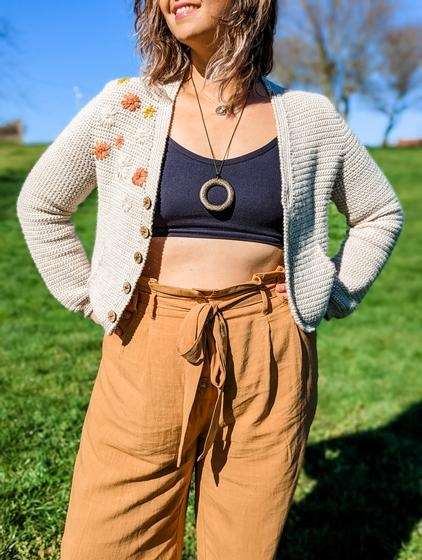
Elevate Your Wardrobe with the Versatile Coco Jacket!

Introducing the Coco Jacket, a remarkable creation by Sandra Gutierrez that’s poised to become your go-to jacket, cardigan, and blazer all in one! If you’re seeking a stylish and comfortable addition to your wardrobe, Coco is the answer.

Tailored Perfection with a Touch of Elegance

This jacket boasts an impeccably fitting yoke, showcasing meticulous tailoring. It features a deep V-neck that exudes sophistication and lovely rounded corners at the front, adding a touch of elegance to your ensemble. And, of course, pockets are a must, making Coco both fashionable and functional.

Airy Balloon Sleeves and Charming Buttons

The set-in sleeves of Coco are designed to be loose and airy, with a delightful balloon-shaped cuff. The button band and buttonholes, while discreet, add a charming accent to this ensemble.

Seamless Elegance

Coco’s construction is a masterpiece in itself. It’s worked from the top-down, beginning at the back, then moving to the shoulders, and finally crafting the yoke as one seamless piece (with the exception of pocket finishing). The body is meticulously worked alongside the pockets, followed by the sleeves and body edging. The pattern includes numerous modification options, ensuring a perfect fit for YOUR body. Plus, if you require extra guidance, there’s a comprehensive course that walks you through the entire process, from start to finish, including customizing the pattern to your precise measurements. Truly, Coco is designed to be a jacket for everyone!

Sizes for All, Yarn for Coziness

The Coco Jacket is available in a range of sizes, accommodating chest circumferences from 32.5″ to 63″. It’s crafted with Worsted weight Swish Worsted yarn, known for its softness and warmth, making it ideal for chilly days.

A Fashion Staple for Every Occasion

Whether you’re dressing up for a special event or adding flair to your everyday wear, the Coco Jacket is your versatile companion. Its timeless style ensures it suits any occasion and elevates your outfit effortlessly.

The Coco Jacket by Sandra Gutierrez is more than just a crochet pattern; it’s an opportunity to elevate your style with a garment that’s both chic and cozy. With its tailored design, versatility, and customization options, Coco is a true masterpiece in the world of crochet fashion. Don’t miss the chance to craft your very own Coco Jacket and add a touch of elegance to your wardrobe!
 

More Crochet?

  • Free Crochet Eye Mask Pattern by Bella Coco Crochet
  • Baby Sacque Crochet Pattern PDF – Our…
  • Puffer Jacket - Crochet Pattern
«
»

Have you read?

How To Start Selling Crochet From Home Without Turning Your Hobby Into A Headache

Wondering if you could sell your crochet? This beginner-friendly guide walks through what to make, how to price your handmade crochet, where to sell it, and how to test the waters without burning yourself out.

Have you ever finished a crochet project, held it up proudly, and had someone say, “You should sell those”?

It sounds lovely at first, doesn’t it? Then five minutes later your brain is off and running. What would I charge? Would anyone actually buy it? Do I need an Etsy shop? What if I spend three evenings making a blanket and someone offers me $25 and a packet of biscuits?

Selling crochet can be a wonderful little side income, but it can also become stressful very quickly if you jump in without a plan. Crochet is not like buying stock and reselling it. Every stitch takes time. Every yarn choice matters. Every photo, listing, market table, and customer message takes energy too.

So this guide is written for the crochet hobbyist who is quietly wondering: could I sell my crochet items? Not necessarily build an empire. Not quit your job tomorrow. Just test the waters, make a little extra money, and see whether your handmade work has a place outside your own sofa, gift cupboard, or “I’ll use it one day” basket.

And yes, we all have one of those baskets.

Start With The Crochet Items You Actually Enjoy Making

Before you think about logos, websites, business cards, or fancy packaging, start with the most important question: what do you enjoy crocheting enough to make more than once?

This matters because selling crochet often means repetition. If you make one adorable baby bonnet and list it online, someone may ask for it in pink, blue, cream, sage green, newborn size, toddler size, and “can you make it by Friday?”

If the thought of making the same item again makes your eye twitch, it may not be the right product to sell.

Good beginner crochet items to sell from home often include:

  • Crochet dishcloths and washcloths
  • Crochet scrunchies
  • Crochet coasters
  • Crochet bookmarks
  • Crochet baby hats
  • Crochet headbands and ear warmers
  • Crochet market bags
  • Crochet plant hangers
  • Crochet small toys or amigurumi
  • Crochet ornaments
  • Crochet keychains
  • Crochet mug cozies
  • Crochet slippers
  • Crochet seasonal decorations

Small, repeatable crochet projects are usually easier to price, photograph, package, and post. They are also less heartbreaking if a customer asks for a custom colour and then disappears into the mist, which, sadly, does happen.

If you need ideas for quick projects to test, browse the free crochet patterns on CraftGossip or the crochet pattern collection on CraftBits. Smaller projects are a brilliant way to work out what you like making, what people respond to, and what does not take you three weeks and your entire emotional battery.

Think About What People Will Actually Buy

This is where many crochet sellers get stuck. We tend to make what we love, but buyers are usually looking for something specific.

People buy handmade crochet because it feels:

  • Personal
  • Giftable
  • Cosy
  • Unique
  • Nostalgic
  • Cute
  • Practical
  • Customisable
  • Better than mass-produced

That does not mean every item has to be trendy. In fact, some of the best crochet items to sell are simple, useful pieces with a handmade touch.

A cotton dishcloth set tied with twine can make a lovely housewarming gift. A chunky ear warmer in soft neutral yarn is easy to wear. A baby hat with a little bear-ear detail is always sweet. Crochet bookmarks are lightweight, affordable, and easy to post. Christmas ornaments can sell well seasonally because people love decorations with a handmade feel.

The trick is to look at your crochet through a buyer’s eyes. Ask yourself:

  • Who would buy this?
  • Is it a gift, a home item, a baby item, a wearable, or a novelty?
  • Can I photograph it clearly?
  • Can I make it more than once?
  • Can I post it safely and affordably?
  • Can I charge enough for the time it takes?

If an item is beautiful but takes 18 hours and requires expensive yarn, it may still be worth making — but perhaps as a special custom piece rather than your everyday shop staple.

Do Not Underprice Your Crochet

Let’s talk about the bit that makes everyone squirm: pricing.

Crocheters are notorious for undercharging. We say things like, “Oh, it’s just yarn,” as though our time, skill, pattern reading, finishing, blocking, photography, packaging, and customer service are all free little bonuses sprinkled on top.

They are not.

At the very least, your handmade crochet price needs to consider:

  • Yarn cost
  • Buttons, stuffing, safety eyes, labels, packaging, or extras
  • Your making time
  • Listing fees or selling platform fees
  • Payment processing fees
  • Postage materials
  • Your skill level
  • The complexity of the item
  • Whether the item is one-of-a-kind or repeatable

You do not have to charge luxury boutique prices straight away, especially if you are testing a new idea, but you do need to stop pricing as though you are apologising for existing.

We have a helpful post on CraftGossip about how to price your handmade crochet so you do not lose out, and it is worth reading before you list anything. Pricing is one of the biggest differences between “I made a few dollars” and “I accidentally created a stressful unpaid job for myself.”

A simple pricing starting point is:

Materials + your time + selling fees + profit margin = selling price

Your hourly rate may start modestly while you learn, but please include something for your time. Even if you are crocheting while watching television, your hands are still doing the work.

Decide Where You Want To Sell Crochet

You do not need to be everywhere at once. In fact, please do not try to be everywhere at once unless you enjoy chaos and browser tabs.

Most crochet sellers start with one of these options:

Selling Crochet On Etsy

Etsy is popular because buyers already go there looking for handmade items, patterns, and gifts. It is especially useful if you want to sell crochet patterns, digital downloads, small handmade items, seasonal gifts, or niche crochet pieces.

The downside is that Etsy is competitive. You need good photos, clear titles, strong keywords, and descriptions that explain what the buyer is getting. You also need to understand fees and postage before you price your items.

If you are just beginning and want a practical guide to the whole process, I have put together a crochet seller ebook called Hook, Hustle & Profit: Crochet Business Ebook PDF. It is written for hobby crocheters who are thinking, “Could I sell these?” and covers pricing, product ideas, Etsy SEO, photos, listings, Pinterest, seasonal planning, and printable worksheets.

Selling Crochet At Markets

Markets are wonderful for seeing what people pick up, what they ask about, and what price points make them pause. You get instant feedback, which can be very useful.

The best crochet items for markets are usually small, easy-to-understand, and giftable. Think scrunchies, ornaments, baby hats, dishcloth bundles, plushies, bookmarks, plant hangers, and seasonal decorations.

If you are selling at a market, presentation matters. A messy table can make even beautiful crochet look a bit sad. Use baskets, small stands, signs, price tags, and soft neutral cloths to create a warm handmade display. CraftGossip also has helpful craft fair tips if you need ideas for making your table stand out without spending a fortune.

Selling Crochet Through Social Media

Facebook, Instagram, TikTok, and Pinterest can all help people discover your crochet, but they work best when you are consistent. You do not need to dance with a skein of yarn unless that is your thing. A simple photo of your work in progress, a finished item, a colour choice poll, or a behind-the-scenes shot can be enough.

Pinterest is especially useful for crochet sellers because crochet is visual and searchable. A good Pinterest image can keep sending traffic to a pattern, blog post, or shop listing long after a social media post has disappeared.

Selling Crochet To Friends And Family

This is often where crochet selling begins, but it can be tricky. Friends and family may love your work, but they may also expect “mates rates” that do not cover your yarn.

It is perfectly okay to say:

“I’m happy to make one, but I’m pricing these properly now because the yarn and time add up.”

You do not have to over-explain. People who value handmade work will understand. People who do not understand are not your ideal customers.

Choose A Simple Crochet Niche

A niche does not mean boxing yourself into one boring thing forever. It simply means giving buyers a clear reason to remember you.

Instead of “I sell crochet,” your niche might be:

  • Handmade crochet baby gifts
  • Modern crochet home décor
  • Cute crochet plushies
  • Practical cotton crochet items
  • Crochet gifts for book lovers
  • Crochet plant and garden accessories
  • Seasonal crochet ornaments
  • Crochet patterns for beginners
  • Cosy crochet accessories
  • Funny crochet gifts

A niche helps with photos, branding, product ideas, SEO, and customer trust. If your shop has baby hats, beer can cozies, gothic amigurumi, dishcloths, wedding shawls, and one random toilet roll cover, people may not know what to expect.

That does not mean you cannot experiment. It just means your main shop or selling page should feel like it has a point of view.

Take Better Photos Of Your Crochet

You do not need a professional camera to sell crochet online, but you do need clear photos.

Crochet is tactile. Buyers want to see texture, scale, colour, stitch detail, and how the item is used. Blurry photos on a dark kitchen bench will not do your work justice.

Try to include:

  • A clean main photo
  • A close-up of the stitch texture
  • A photo showing size or scale
  • A styled photo showing the item in use
  • A photo of colour options if available
  • A packaging photo if it is gift-ready

Natural light is your friend. A white table, neutral blanket, wooden board, or clean craft mat can make a huge difference. Avoid harsh yellow lighting if possible because it can make yarn colours look odd.

If you are photographing small crochet items, keep a simple photo setup ready. A piece of white card, a basket, a small plant, and a clean surface can save you from the “I’ll photograph it later” pile. That pile is where listings go to die.

Write Crochet Listings That Help Buyers Decide

A good crochet product listing should answer questions before the buyer has to ask.

Include:

  • What the item is
  • Approximate size
  • Materials used
  • Colour options
  • Care instructions
  • Whether it is ready to ship or made to order
  • Processing time
  • Postage information
  • Custom order details
  • Safety notes for baby items or toys
  • What is included and what is not included

For example, if you are selling a crochet baby blanket, do not just write “cute blanket.” Tell people the size, fibre content, softness, washability, colour, style, and why it makes a lovely baby shower gift.

If you are selling digital crochet patterns, be very clear that it is a PDF pattern and not a finished item. Etsy buyers do sometimes miss this, even when it is written in three places. Make it obvious.

Learn Basic SEO For Crochet Listings

SEO sounds boring, but it simply means helping the right people find your work.

For crochet sellers, useful keyword phrases might include:

  • handmade crochet baby blanket
  • crochet baby shower gift
  • cotton crochet dishcloth set
  • crochet plant hanger
  • crochet Christmas ornament
  • beginner crochet pattern PDF
  • handmade crochet plush toy
  • crochet market bag
  • crochet gifts for book lovers

Use the words buyers would actually type, not just cute names. “The Daisy Dream Puff” might be a sweet product name, but “crochet flower baby bonnet” is what someone is more likely to search.

For Etsy titles, try to include both the practical search phrase and the pretty description.

Example:

Crochet Baby Hat With Bear Ears, Handmade Newborn Baby Shower Gift, Soft Baby Beanie

That tells Etsy and the buyer what the item is, who it is for, and why someone might buy it.

Use Supplies That Make Sense For Selling

When you are making crochet items to sell, your supplies need to be reliable. This does not always mean expensive, but it does mean consistent.

If you sell baby items, choose soft, washable yarns and clearly mention the fibre content. If you sell dishcloths, cotton is usually a practical choice. If you sell plushies, make sure your stuffing and finishing are neat and secure.

A few useful supplies for crochet sellers include:

  • A comfortable crochet hook set
  • Yarn needles
  • Sharp scissors
  • Stitch markers
  • Tape measure
  • Digital kitchen scale for weighing yarn
  • Blocking mats and pins
  • Printable care cards
  • Tissue paper or simple packaging
  • Good storage tubs for stock

Mary Maxim is useful for yarn packs, crochet kits, and seasonal yarn inspiration, while Amazon is handy for practical tools like mailers, labels, blocking mats, digital scales, and storage containers. Keep it sensible. You do not need to buy half the internet before making your first sale.

Consider Selling Crochet Patterns Too

If you enjoy designing or writing instructions, crochet patterns can be a good digital product. Unlike finished crochet items, patterns do not require you to remake the item every time someone buys.

That said, pattern selling has its own work. You need clear instructions, accurate stitch counts, photos, abbreviations, gauge notes where needed, and testing if possible. A confusing pattern can lead to unhappy buyers very quickly.

A good crochet pattern listing should include:

  • Skill level
  • Finished size
  • Yarn weight
  • Hook size
  • Materials needed
  • Stitch abbreviations
  • Whether photos are included
  • Whether the pattern uses US or UK terms
  • Digital download information

If you are already creating your own designs, this can be a lovely way to build a crochet income without physically shipping every product.

Start Small And Test Before You Scale

You do not need 50 products to begin. In fact, starting with too many can make everything harder.

Try choosing:

  • Three small crochet items
  • One seasonal item
  • One higher-priced custom option
  • One digital pattern if you write patterns

Then test what people respond to. Watch which photos get clicks. Notice which items people ask about. Keep track of how long each item takes to make and whether the price still feels worth it after fees and packaging.

The goal is not to become overwhelmed. The goal is to learn.

If you are making quick crochet projects like dishcloths, coasters, bookmarks, or simple bags, CraftBits has plenty of free crochet patterns that can help you practise structure and finishing. Just remember to check pattern permissions before selling finished items made from someone else’s pattern.

Plan For Seasonal Crochet Sales

Crochet can be very seasonal, which is actually useful if you plan ahead.

Good seasonal crochet ideas include:

  • Christmas ornaments
  • Halloween plushies
  • Easter baskets
  • Mother’s Day gifts
  • Teacher gifts
  • Baby shower gifts
  • Winter hats and scarves
  • Market bags for spring and summer
  • Wedding favours
  • Stocking stuffers

The key is to start earlier than you think. If you want to sell crochet pumpkins in October, you should be planning and photographing them well before October. The same goes for Christmas ornaments. Do not wait until December and then wonder why your hands are cramping and your dining table has disappeared under yarn.

Keep Good Records From The Beginning

Even if you are only selling a few crochet items, keep basic records.

Track:

  • Yarn and supply costs
  • Selling fees
  • Postage costs
  • Packaging costs
  • Sales income
  • Time spent making each item
  • Custom order details
  • Bestselling products
  • Seasonal trends

This does not have to be fancy. A spreadsheet, notebook, or printable worksheet is enough at the beginning. You just need to know whether you are actually making money or simply converting yarn into mild panic.

Be Honest About Burnout

Crochet is slow. That is part of its charm, but it is also why crochet sellers need boundaries.

If you take unlimited custom orders, undercharge, say yes to rush requests, and make things you do not enjoy, your lovely hobby can start feeling like homework.

Set limits early:

  • Decide how many orders you can manage each week
  • Charge extra for rush orders
  • Be clear about custom order timelines
  • Do not promise impossible delivery dates
  • Keep one or two projects just for fun
  • Take breaks when your hands or shoulders need them

A handmade business should not steal the joy from the thing that made you start in the first place.

So, Can You Really Make Money Selling Crochet?

Yes, you can make money selling crochet, but it works best when you are realistic.

You are not just selling yarn. You are selling time, skill, design sense, texture, colour, care, and the charm of something made by hand. That has value.

Start with simple products. Price properly. Take clear photos. Write helpful listings. Learn basic SEO. Test seasonal ideas. Keep your expectations grounded, and let your crochet business grow gently instead of trying to force it overnight.

And if you are still at the “could I actually sell these?” stage, that is a perfectly good place to begin. Every handmade seller starts with that tiny question.

Sometimes all it takes is one finished project, one decent photo, one fair price, and the courage to list it.

More Articles

Afghans, Blankets & Throws amigurumi Baby Hat Baby Patterns bags Beanies Beginner Book Reviews Christmas CHRISTMAS Clothing Crochet Patterns Crochet Techniques & Ideas Free Crochet Patterns Granny Squares Halloween Patterns Quick Scarfs shawls

RSS More Articles

  • 4 FREE Downloadable Sentiments for Dad
  • Everything You Need to Know About Embroidery Hoops
  • Printable Stickers for Journals and Planners – Self Care
  • Needle Felting Fairy Tutorial by Santa Meada
  • Stitch Your Favorite Fruit on a Sweater
  • 12 Color Wheel Inspired Scrapbook Layouts
  • Crafts With Old Bricks: Creative Ways To Upcycle Leftover Bricks
  • How To Make A Milk Mache Molding Compound
  • The 5 Outlet Placement Mistakes You Don’t Want to Make
  • Celebrate the Spirit of the Southwest with These Stunning Indian Navajo Tribal Quilt Patterns

Pick Your Blog

  • Sewing
  • Knitting
  • Quilting
  • Crochet
  • Home & Garden
  • Recycled Crafts
  • Scrapbooking
  • Card Making
  • Polymer Clay
  • Cross-Stitch
  • Edible Crafts
  • Felting
  • Glass Art
  • Indie Crafts
  • Kids Crafts
  • Jewelry Making
  • Lesson Plans
  • Needlework
  • Bath & Body
  • Party Ideas
  • Candle Making
  • DIY Weddings
  • Not Craft
  • Free Craft Projects

Copyright © 2026 · CraftGossip | Start Here | Contact Us | Link to Us | Your Editors | Privacy and affiliate policy